
New free household flood plan launches in Scotland as climate risks rise
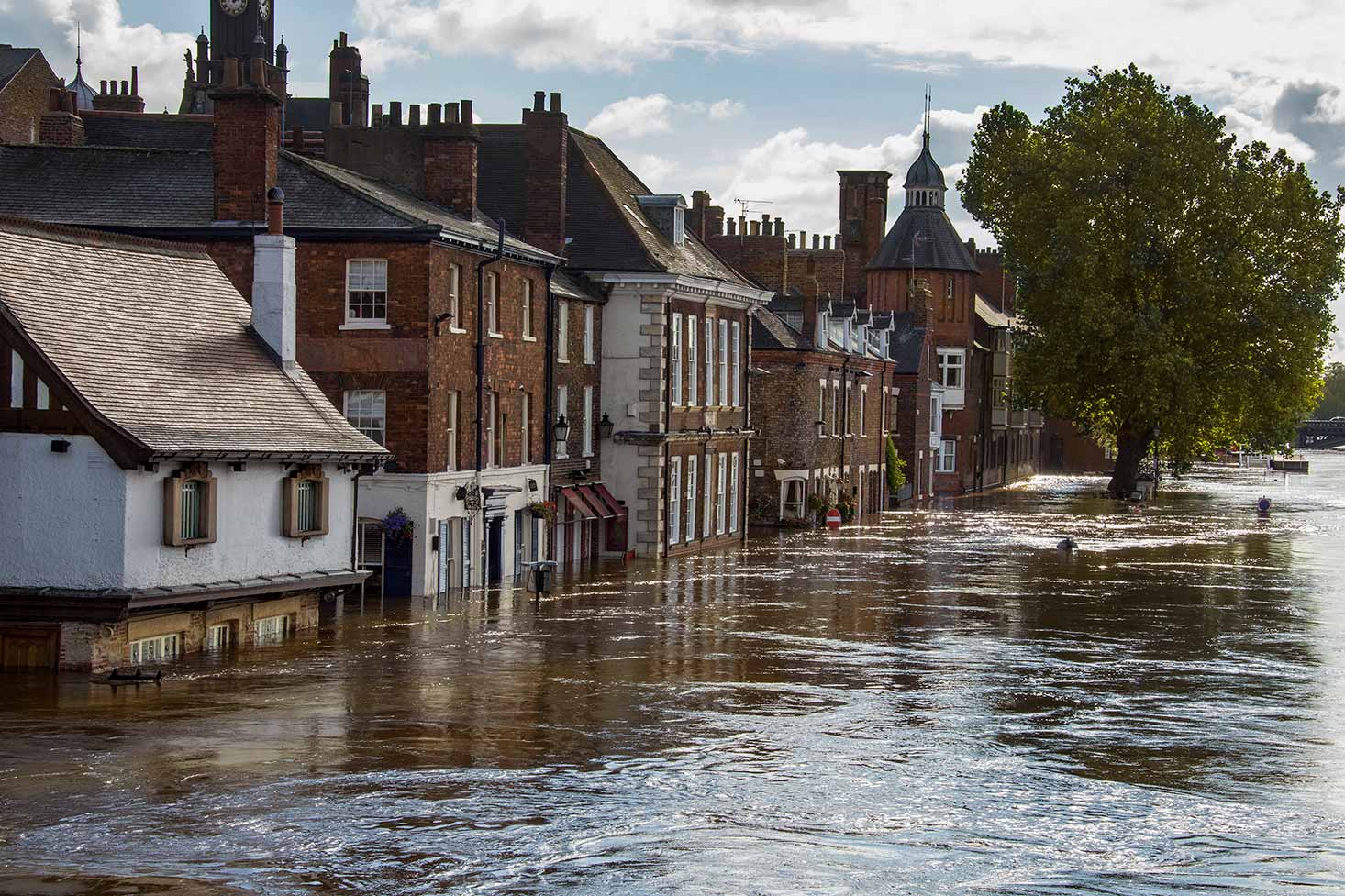
A free template to help households across Scotland build their own personalised flood plan is now available − co-created with Scottish communities using behavioural science, as flood risks across the country continue to grow.
Glasgow Caledonian University led the national project, funded by the Centre of Expertise for Waters (CREW), to develop a practical flood plan template that households across Scotland can complete to create a bespoke action plan for themselves and those they live with. The project was commissioned by the Scottish Government with input from SEPA and the Scottish Flood Forum.
Dr Fiona Henderson, who led the project in collaboration with the University of Glasgow and the James Hutton Institute, noted that while 50% of Scottish Climate Survey respondents expected to experience flooding in the next five years, only 3% have installed flood resilience measures, and public awareness of flood risk remains low − despite flooding becoming more frequent and more severe across Scotland.
She added: “Flooding is one of Scotland's biggest climate challenges, but too few people are prepared for its potential impacts. By using insights from behavioural science to create the Scottish Household Flood Plan, we want to help households take small, practical steps that could make a big difference if disaster strikes.”
To develop the plan, the research team engaged with 81 members of the public, including persons with disabilities, and professional stakeholders from across Scotland. They also analysed 69 existing UK household emergency plans and reviewed the latest behavioural science evidence on flood preparedness. Transform Creative, a Scottish social enterprise, developed the plan’s graphics and layout, including producing accessible and easy read versions.
The research found that simply raising awareness of flood risk without offering clear, achievable actions can reduce confidence rather than build it − so the plan is designed around easy, immediate and implementable steps. It guides households through practical steps including how to safely switch off power and water, where to store key documents, and what to pack if evacuation is necessary. It is designed to be personalised, since evidence shows locally meaningful messages significantly increase the number of homeowners seeking information and taking action. A dated review box on the front page encourages households to treat it as a living document, reflecting evidence that even flood-experienced households see their preparedness knowledge fade over time.
Completing the plan also has a broader social benefit. Emergency responders told the research team that households with a plan in place are better equipped to act calmly and independently during a flood, freeing up emergency services to prioritise the most vulnerable.
The project found that large-scale awareness campaigns alone have limited impact. Instead, trusted local voices − community groups, tenants' associations, third sector organisations, and the Scottish Flood Forum − are best placed to encourage uptake. The research recommends forming a dedicated dissemination strategy group drawn from these organisations to coordinate public engagement across Scotland.
The dissemination of the plan should be prioritised for social housing tenants at flood risk, who face significant hidden financial costs if unprepared, and for older people and those with disabilities or long-term health conditions, whose capacity to prepare may be limited or declining. The plan is available in accessible formats.
Dr Henderson said: “This work brings together research, community voices, and government support in the creation of an inclusive and low-cost preparedness tool − not just to build Scotland's resilience, but to share lessons internationally on how households can adapt to climate change.”
A spokesperson for the Scottish Government said: "Managing our exposure to floods and their impacts is a significant and growing challenge as climate change brings more severe and frequent flood events. Scotland's Flood Resilience Strategy is evidence of the Scottish Government’s long-term commitment to flood resilience and has been developed in direct response to the challenges that Scotland faces, and we are pleased to have supported Dr Henderson and her team's work developing this Household Flood Plan."
A spokesperson for the Scottish Flood Forum said: “The Scottish Flood Forum is here to support individuals and communities who have experienced flooding across Scotland. In our work with communities, we have seen how practical action can support individual resilience and we see the Household Flood Plan as an important first step in raising awareness of flood risk and to help households across Scotland to prepare for a flood event."
A spokesperson for the Scottish Environment Protection Agency (SEPA) said: “Protecting Scotland’s communities is at the heart of what we do at SEPA. With flooding being one of the country’s biggest climate challenges, it’s important that individuals and households can access clear, practical information allowing them to understand their own flood risk and be better prepared to deal with flooding should it happen to them.”
The accessible Household Flood Plan is free to download now at the CREW website, alongside an Easy Read version approved by Disability Equality Scotland, and the full project report.