
Later bar hours linked to surge in alcohol-related ambulance callouts, researchers find
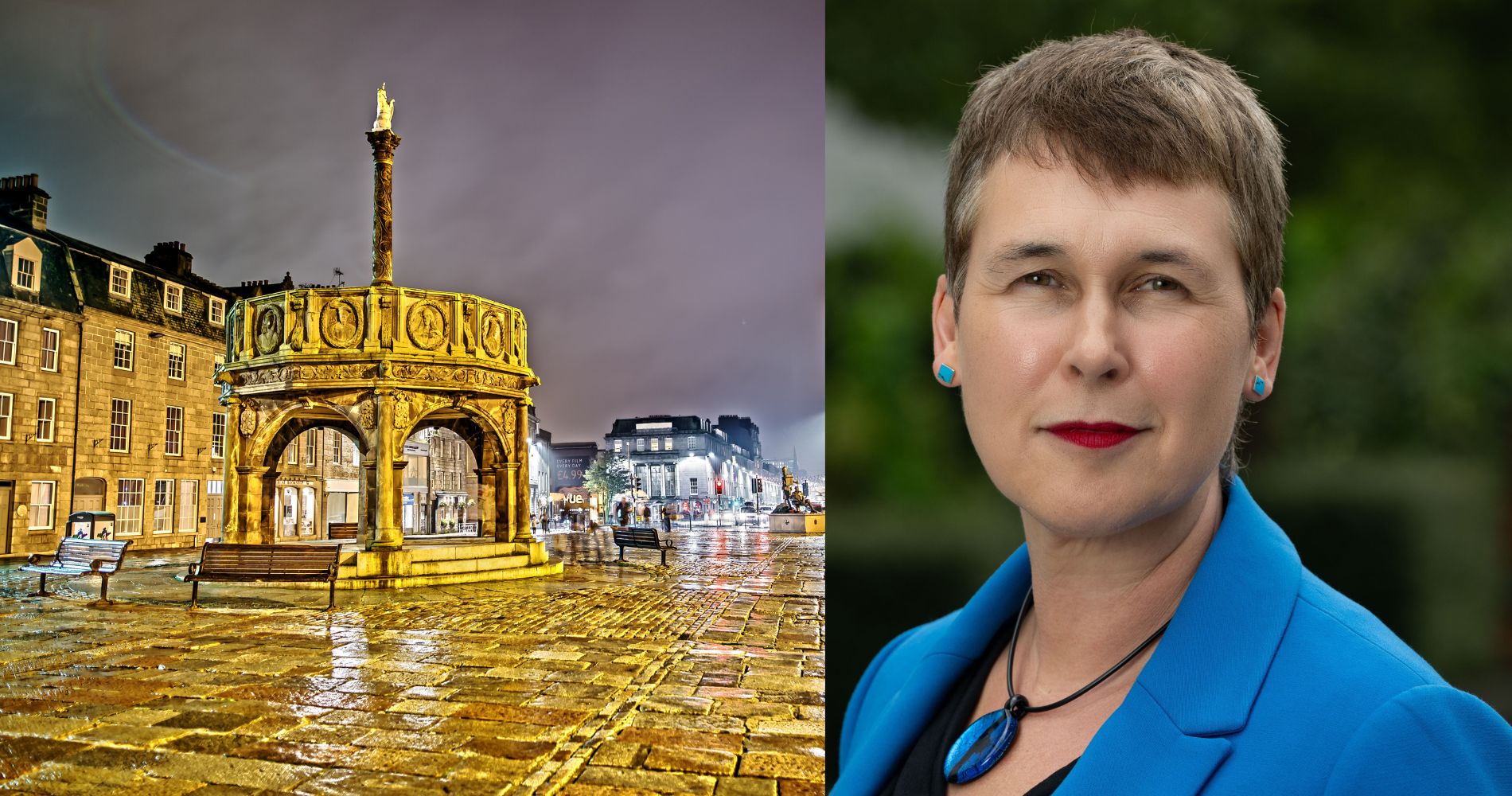
Allowing bars and pubs to stay open later at night leads to a significant rise in alcohol-related ambulance callouts and reported crime, according to new research involving a Glasgow Caledonian University academic.
Professor Carol Emslie, a co-investigator on the study, was part of a research team led by the University of Glasgow and the University of Stirling that examined the impact of extended licensing hours in Aberdeen and Glasgow − the first study of its kind in the UK. The findings have been published in BMJ Public Health.
In Aberdeen, 38 pubs and bars were granted permission to sell alcohol up to 3am between March 2017 and October 2020. The research found this was associated with an 11.4% increase in alcohol-related ambulance callouts on weekend nights, and an 8.5% rise in reported crimes over the same period. The impact was most pronounced among men and those aged under 45. Analysis also showed that peak times for alcohol-related ambulance callouts shifted later, from between midnight and 1am to between 1am and 2am, suggesting that extended trading hours may have altered drinking patterns in the city.
In Glasgow, where 10 nightclubs were granted a one-hour extension to 4am from April 2019 − but only on the condition that specific safety measures were in place − no material impact was found on ambulance callouts or reported crime. However, the researchers note that stakeholders in the wider study reported the extensions placed frontline services under severe strain.
Professor Emslie said the findings challenged a common argument used to justify later opening times. She said: "Allowing pubs and bars to stay open later at night is often justified as revitalising the night-time economy. However, our study shows a clear link between later trading hours and more alcohol-related ambulance callouts, especially for men and younger people. Local authorities need the power to consider the extra pressure placed on our emergency services when deciding who gets to trade into the early hours."
The contrasting results between the two cities, the researchers suggest, may reflect the larger number of venues affected in Aberdeen, the longer extensions granted, and the stricter eligibility conditions applied in Glasgow. The study authors argue their findings should inform both national and regional licensing policy going forward.
In Scotland, between 2022 and 2023, there were more than 31,000 alcohol-specific hospital admissions. In 2019, it was estimated that 16% of all ambulance callouts were alcohol-related, with the highest concentration occurring between 9pm and 1am on weekends.
The research forms part of the wider ELEPHANT study − Evaluating Later and Expanded Premises Hours for Alcohol in the Night-Time economy − funded by the NIHR Public Health Research programme and led by the University of Stirling.