
Glasgow student heads to Sierra Leone to tackle waterborne disease
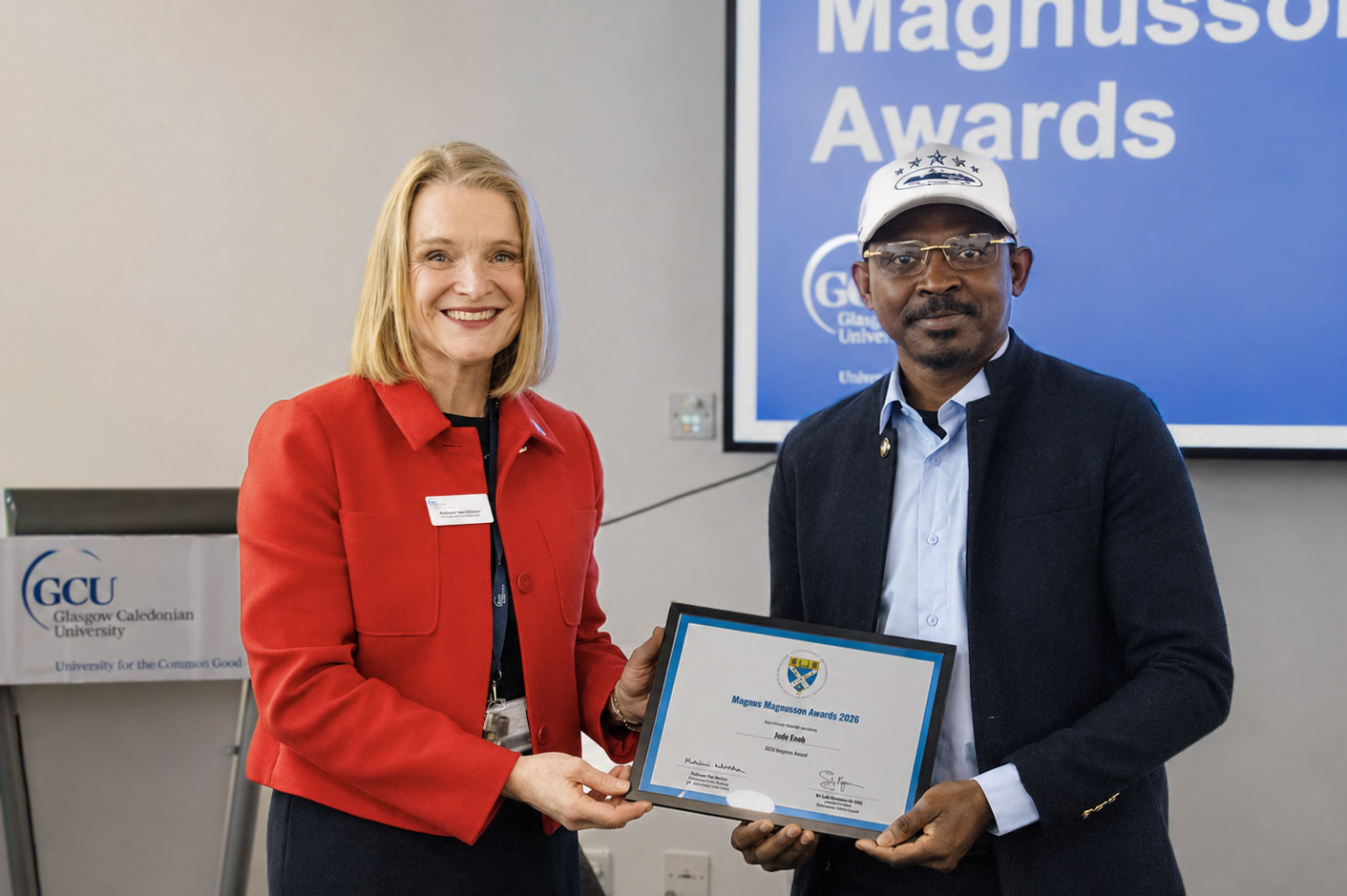
A Glasgow Caledonian University student is preparing to travel to West Africa to lead a community health project targeting the spread of cholera and typhoid in rural Sierra Leone.
Jude Eneh, who is studying for an MSc in Social Innovation, has been awarded a Magnusson Award to fund a three-week placement in the Bombali District, where many communities lack reliable access to clean water and basic sanitation.
The Magnusson Awards, established in memory of broadcaster and former university chancellor Magnus Magnusson KBE, provide grants of up to £5,000 for student-led projects aimed at making a positive impact in communities at home and abroad. Since their launch in 2007, the scheme has supported more than 150 students working across dozens of countries, distributing over £600,000 in funding. The programme is overseen by his daughter, journalist and broadcaster Dr Sally Magnusson MBE.
Working alongside the Wehpi Project − a local water and hygiene initiative – Jude will deliver hygiene education sessions, carry out household visits to promote safe water practices, and support community clean-up efforts.
A central part of the scheme will see residents trained as "hygiene champions", equipped to spread good practice on handwashing, water treatment and sanitation long after the placement ends.
Jude said the timing was critical, with the rainy season increasing the risk of contamination to local water sources.
"These communities are particularly vulnerable to disease outbreaks," he said. "Strengthening hygiene practices now is essential to preventing avoidable illness and improving public health outcomes."
He said his involvement was partly inspired by a friend living in the region who had witnessed the devastating toll of cholera on local populations. "That really brought home the scale of the challenge. It made me realise how important it is to contribute in a meaningful way."
The MSc student acknowledged the project faces hurdles, including limited resources and potential language barriers, but said he would rely on adaptability and cultural sensitivity to overcome them.
He hopes to leave behind measurable improvements in sanitation behaviours and a trained cohort of community health advocates.
"Access to clean water and adequate sanitation is a fundamental human right," he said. "And even small, community-driven initiatives can make a lasting difference. Along with the skills I have learnt on my university programme, Glasgow Caledonian’s mission is For the Common Good, and I feel I want to embody that with my project.”