
GCU launches postgrad in Non-Surgical Medical Aesthetics
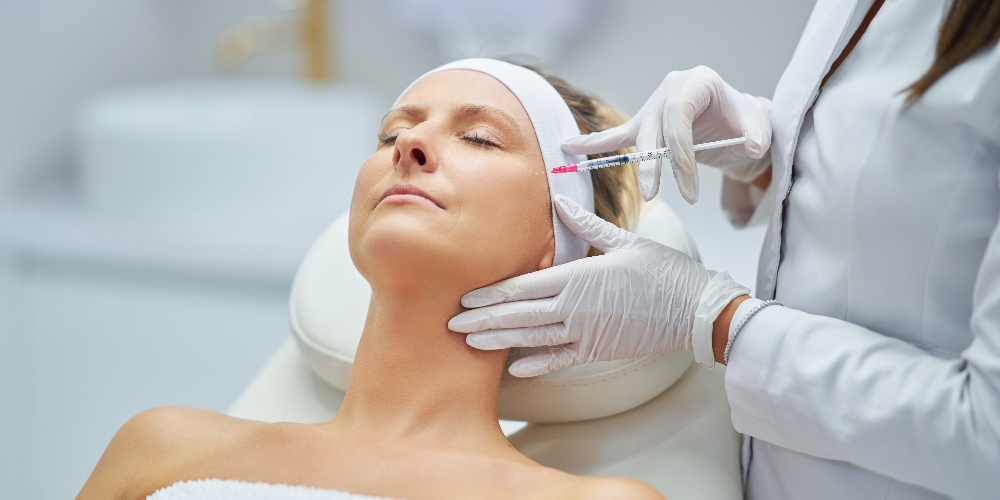
Glasgow Caledonian University (GCU) has announced the launch of Scotland’s first university-accredited Postgraduate Diploma in Non-Surgical Medical Aesthetics Practice, designed to support safe practice in a rapidly expanding sector and align with forthcoming Scottish Government regulation.
Research and government consultation have highlighted the risks associated with poorly regulated aesthetics procedures – such as lip enhancement and wrinkle treatment - including complications such as infection, nerve damage, skin necrosis and blindness. These complications can also place additional pressure on NHS services responsible for managing adverse outcomes.
The new part-time postgraduate programme, which will welcome its first students in September 2026, has been developed by the University’s School of Health and Life Sciences and will provide registered healthcare professionals with combined advanced academic study, simulation-based training and supervised clinical practice, ensuring graduates develop the knowledge and skills required to deliver treatments safely within regulated clinical environments.
The programme responds to growing concern about patient safety within a sector that has expanded rapidly across the UK but remains largely unregulated. Currently, there is no formal SCQF-accredited educational pathway in Scotland for practitioners working in non-surgical cosmetics and aesthetics practice, with many entering the field through short commercial courses with limited clinical governance or competency assessment.
As Scotland prepares to introduce stricter regulations for non-surgical aesthetics procedures - particularly injectable and invasive treatments - the GCU programme aims to provide the first structured postgraduate pathway aligned with the emerging regulatory framework.
The programme will be open to registered healthcare professionals outlined in the Scottish Government regulations, including doctors, nurses, dentists, pharmacists, midwives and allied health professionals, many of whom are already working within the rapidly growing aesthetics sector.
Dr Val Ness, Head of Department for Nursing, Community and Public Health at Glasgow Caledonian University, said:
“This programme has been designed to provide practitioners with the clinical knowledge, judgement and governance awareness needed to practise safely and responsibly. By combining advanced academic study with supervised clinical experience, we aim to support practitioners to deliver treatments ethically, recognise and manage complications, and place patient safety at the centre of practice as the sector moves towards stronger regulation.”
The programme has been developed through consultation with key stakeholders, including the Scottish Government, the Scottish Medical Aesthetics Safety Group (SMASG), NHS Scotland and professional bodies across the aesthetics sector.
Professor Anita Simmers, Dean of the School of Health and Life Sciences at GCU, said:
“This programme reflects Glasgow Caledonian University’s commitment to addressing real public health challenges. By working closely with government, clinical experts and professional bodies, we are developing an educational pathway that will help raise standards across the aesthetics procedures sector while protecting patient safety.”
Jacqueline Cooney, Director of the Scottish Medical Aesthetics Safety Group, said:
“We are proud to support this postgraduate diploma at GCU, which represents an important step in advancing safe, ethical and regulated non-surgical medical aesthetics practice in Scotland. The programme combines hands-on clinical training in Healthcare Improvement Scotland-registered clinics with university-level education in clinical governance and professional standards.”
By establishing a formal postgraduate education pathway aligned with emerging national policy, GCU aims to help strengthen professional standards, support workforce development and improve public safety across Scotland’s non-surgical medical aesthetics practice sector.
The Postgraduate Diploma in Non-Surgical Medical Aesthetics Practice will be delivered at GCU’s Glasgow campus and forms part of a wider postgraduate pathway that can lead to a Master’s degree.
For anyone interested in the programme, further information is available by emailing SHLSBusiness@gcu.ac.uk