
Cancer expert appointed to Myeloma UK Research Advisory Group
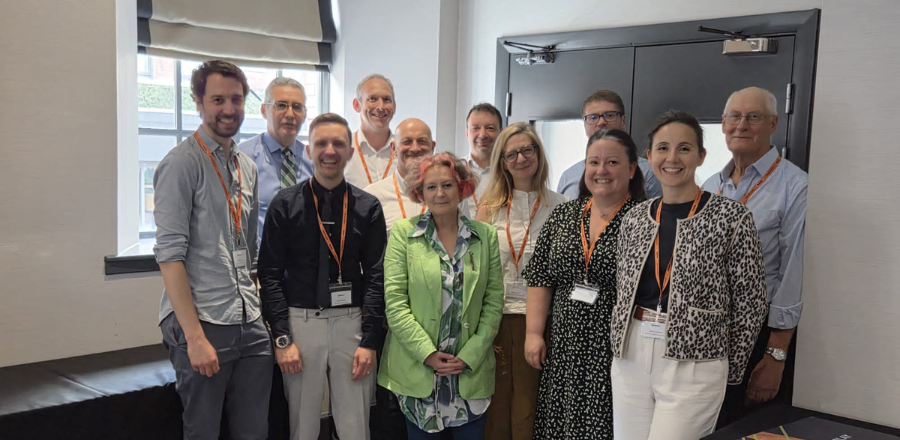
Cancer scientist Dr Mark Williams has been appointed to the Myeloma UK Research Advisory Group to help shape future research projects aimed at improving the lives of people with the incurable blood cancer.
Myeloma UK, which is the only charity in the UK focused on myeloma and related conditions, has recently relaunched its Research Advisory Group (RAG) to better serve the needs of people affected by myeloma.
The revamped RAG now brings together a more diverse pool of experts including leading scientists such as Dr Williams, haematologists and patients. The group will help shape the charity’s research programme, and fund projects that reflect the priorities of those affected by myeloma.
Dr Mark Williams said it was an “honour and a privilege” to serve on the RAG and to be “in a position to help steer the research direction and focus of Myeloma UK, addressing the unmet needs of Myeloma patients”.
“The ultimate goal of Myeloma UK is for this research to one day lead to a cure for myeloma patients, providing them with a life expectancy and quality of life as close to normal as possible,” added Dr Williams, Senior Lecturer in Cancer Biology and Advanced Therapeutics, in the School of Health and Life Sciences at Glasgow Caledonian University.
It was Dr Williams’ international reputation and 15 years of expertise in researching haematological malignancies that led to Myeloma UK’s invitation to join its expert advisory group. His research focuses on finding new treatments to combat therapy resistance for myeloma and leukaemia.
Dr Sophie Castell, CEO at Myeloma UK, said the relaunch of its research advisory group will allow the charity to put out specific grant calls, focused on the areas where they can make the biggest impact and find new ways to work towards a cure.
Dr Castell added: “Each member comes with a unique perspective and will play a key role in guiding our research, so it is informed not only by the best scientific principles but the needs and wants of those affected by myeloma – now and in the future.
“Their expertise, insights and unflagging commitment will be absolutely invaluable as we move forward with our research strategy, find new ways to a cure and make sure people live longer and better lives with myeloma.”
Dr Williams and his Williams Blood Cancer Research Group (WBCRG) in the School’s Research Centre for Health (ReaCH) also recently visited the £1billion cutting-edge AstraZeneca Discovery Centre in Cambridge.
The team were joined by Chloe Christie, a British Pharmacological Society-funded vacation student and third-year Glasgow Caledonian Biological Sciences student, and Margaret Kidd, who recently graduated with a BSc Hons in Pharmacology and is a Magnusson-and Santander-funded summer student.
Dr Williams was invited to give a presentation to AstraZeneca’s Associate Principal Scientist Abbie Macmillan-Jones and her team about the work going on in the blood cancer labs, in particular the research on the use of a new drug therapy known as a protein degrader or PROTAC for the treatment of myeloma.
The visit was a great opportunity for Chloe and Margaret to gain key insights into the drug discovery pathway at a world-leading biopharmaceutical company, and for the WBCRG to strengthen links with AstraZeneca and collaborate on future research projects.