Justice is priceless
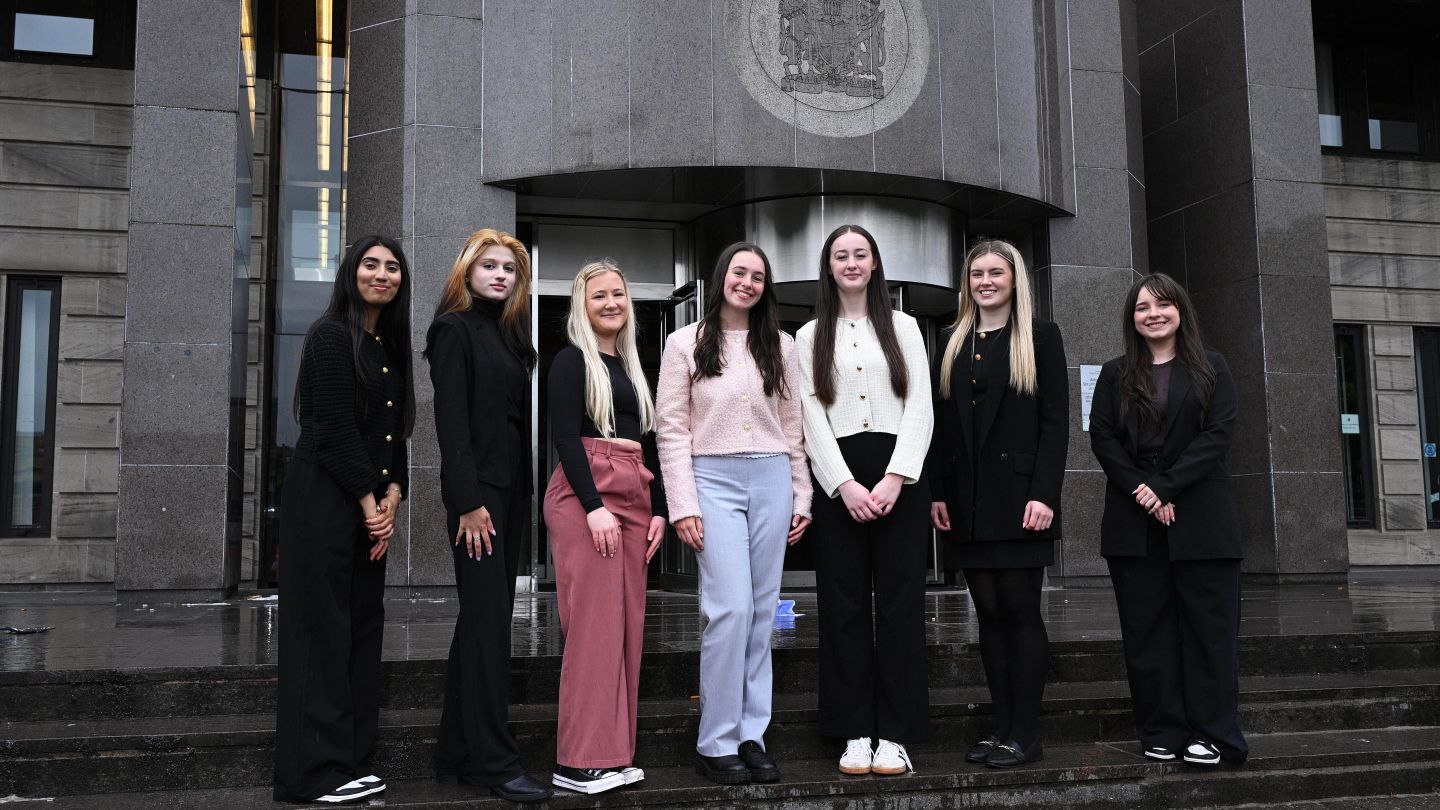
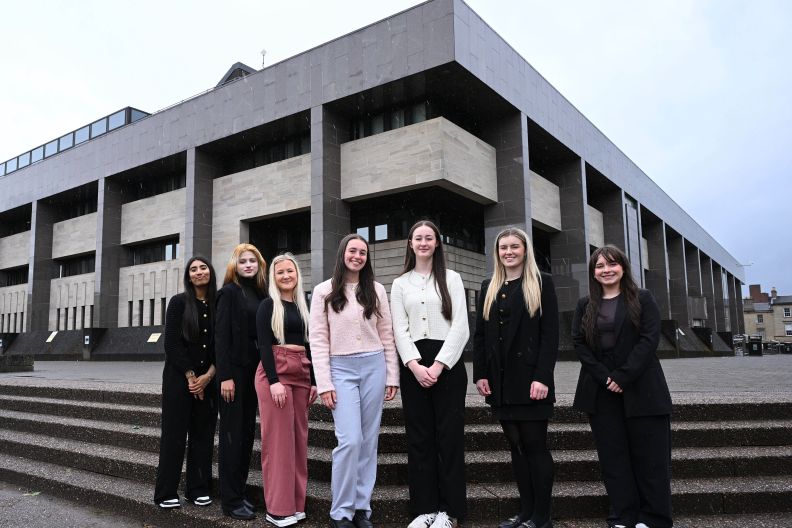
GCU Law Clinic is a student-led initiative that provides free legal advice and assistance to individuals who do not qualify for legal aid and cannot afford a solicitor. To date, the Clinic has taken on more than 200 cases with a total value of more than £135,000.
“Every student that’s won a case is obviously pleased but what’s lovely to see is that their delight is more for the client than anything else,” explains Claire McFadzean, Academic Director and founder of GCU Law Clinic. “You can see them realise that the monetary value of the case doesn’t define the case. It’s the value to the client.”
The pro-bono initiative, which allows law students the opportunity to gain practical legal skills alongside their degrees, has dealt with more than 1,000 enquiries from the public since it opened its doors in 2014. The students provide general legal advice, draft legal letters, represent clients in court, and negotiate on behalf of clients, under the supervision of qualified legal practitioners.
“There’s a major issue in terms of people being able to access civil legal aid funds in order to use a solicitor,” Claire says. “From the Law Clinic’s perspective, if you cannot pay or access funds, it becomes an access-to-justice issue. No Law Clinic is taking work away from solicitors. The volume of enquiries we get every year is huge. It shows there is a great deal of unmet legal need in Scotland.”

You just don’t realise how vulnerable some people are and how little they know about what they’re entitled to...
Law graduate and the Clinic’s first part-time Coordinator
The student volunteers reply to every enquiry regardless of whether the Clinic can progress their case. Many issues relate to housing and employment law, such as deposit disputes, repairs, unfair dismissal and discrimination. Legal firms also refer cases to the team. In many cases, the modest value of the sums involved means it would cost more in legal fees to pursue than the total cash involved in the dispute.
“We have a case management team that meets weekly to decide what cases we can take on,” Claire says. “While we are only able take on a fraction from the huge number of enquiries, the team answers every request and signposts suitable alternative support.”
“The student-led team sees first-hand the impact on the client, in terms of what they’ve achieved. You just don’t realise how vulnerable some people are and how little they know about what they’re entitled to in terms of support, what they’re entitled to in terms of legal advice, and how to go about it,” says Emma Smith, a law graduate and the Clinic’s first part-time Coordinator.
“The cut off for legal aid is around £25,000. You can understand that, for a working person, the cost of pursuing a case would be a huge amount from their income. It can be hard to see at times because often we see people who have been wronged and they don’t know how to access help. They deserve better.”
As the Clinic has developed, the team has branched out to public legal education, in high schools and colleges, hosted pop-up clinics in Buchanan Street, Glasgow, and has started training volunteers in British Sign Language to help make its service more inclusive to the deaf and partially hearing community.
It’s been so positive and encouraging to see everyone involved being so willing to roll their sleeves up and make a difference.
Academic Director and founder of GCU Law Clinic
A law reform project, driven by GCU’s law academics Dr Andrew Tickell, Seonaid Stevenson-McCabe and the students, led to the lifelong right to anonymity for complainers in sexual offence cases to be enshrined in Scots law.
In a letter, Scottish Justice Secretary Angela Constance praised the “tireless” work of the Campaign for Complainer Anonymity to ensure justice better serves victims and witnesses. Law Clinic graduates often return to support networking sessions, and many have carried their passion for pro-bono work into professional practice.
“The Law Clinic is the gold standard in legal education because you’re teaching while engaging with the real world,” Claire says. “It’s amazing to see the students’ professional and personal development through skills-based training.”
Looking to the future, the Clinic is developing a series of specialist projects, with academic experts within Glasgow Caledonian’s law department, on land reform, human rights and climate change.
“Bringing in colleagues has enabled us to expand,” Claire adds. “The Clinic is very clearly on an upward trajectory in terms of the work we focus on. It’s been so positive and encouraging to see everyone involved being so willing to roll their sleeves up and make a difference.”
Share this article